Profit & Loss Simplified: Helping Your Self-Employed Clients Buy Homes!
Unlock the secret to boosting your self-employed clients' home buying potential! Discover how mastering profit and loss can transform their buying journey.
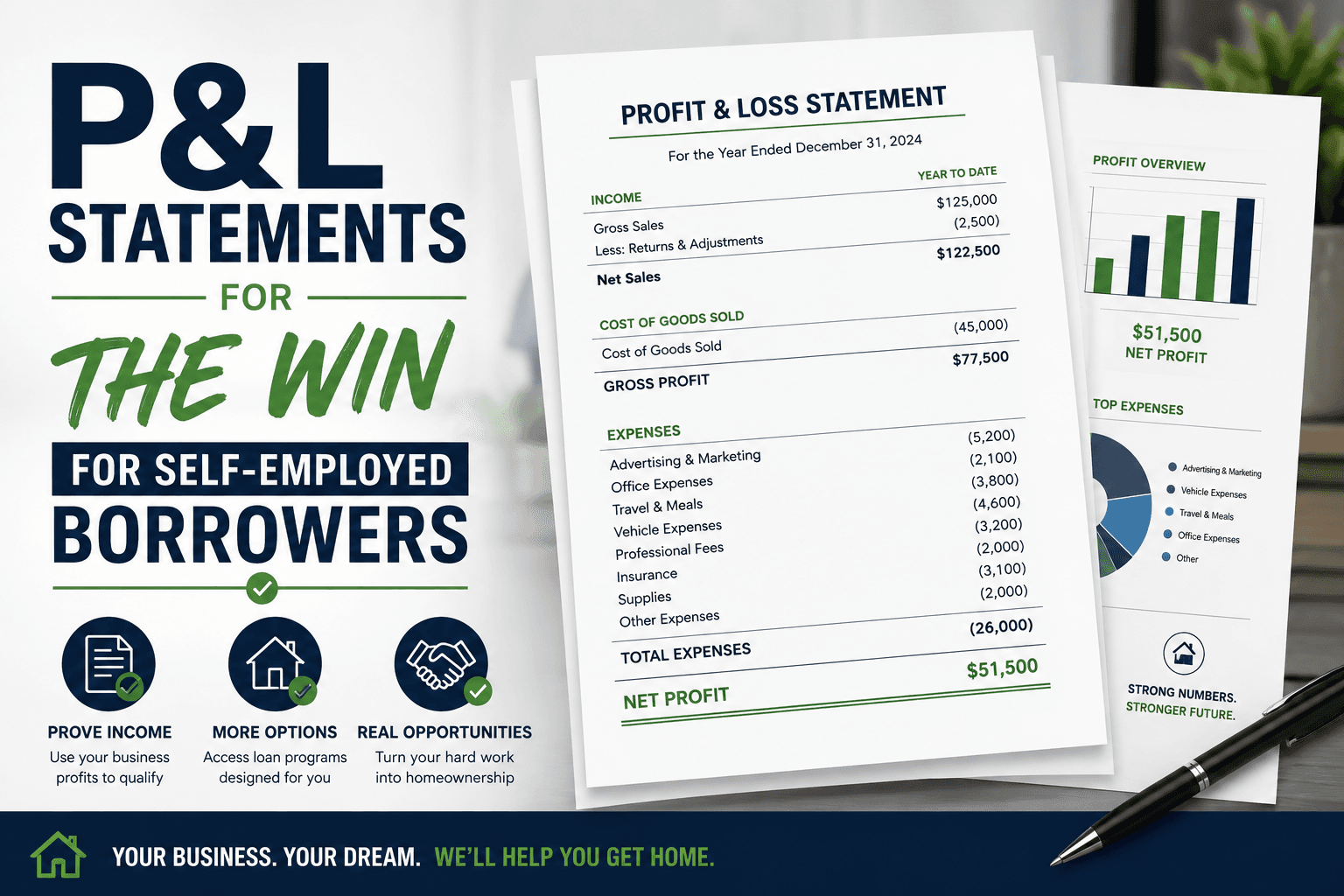
In today’s real estate market, understanding the financial landscape for self-employed clients is crucial. Many real estate agents encounter clients who run their own businesses and may find themselves in a unique situation when it comes to securing a mortgage. The process of buying a home can seem daunting for these individuals, but with the right knowledge and support, agents can guide them through their financials with confidence.
Self-employed individuals often have income structures that differ significantly from those of traditional employees. This can lead to complexities in the mortgage application process, especially when it comes to demonstrating income stability. Unlike salaried employees who receive a consistent paycheck, self-employed clients may have fluctuating earnings, which can impact their ability to qualify for a mortgage. Understanding how to present a self-employed client's financial position effectively is key.
One of the primary documents that mortgage lenders will review is the profit and loss statement, commonly referred to as a P&L statement. This document provides a snapshot of a client's earnings and expenses over a set period, usually a year. For self-employed clients, preparing this document accurately is crucial, as it can significantly affect their mortgage eligibility.
When assisting self-employed clients, it’s essential to emphasize the importance of maintaining detailed and organized financial records. Encourage your clients to keep track of all income and expenses diligently. An organized approach not only helps in preparing a comprehensive P&L statement but also presents a clearer picture of their business’s profitability. Lenders typically look for two years of P&L statements, so consistent record-keeping over time can demonstrate stability and growth.
A well-prepared P&L statement should include all sources of income, including both regular and irregular payments. It should also itemize expenses that are necessary for running the business, such as office supplies, utilities, and any other operational costs. Agents can guide their clients to categorize expenses accurately, helping to avoid any confusion or misrepresentation when the P&L statement is reviewed by lenders.
Another important aspect to consider is the concept of net income versus gross income. Many self-employed individuals may choose to deduct a wide range of business expenses, which can lower their taxable income. While this is a standard practice, it can sometimes work against them when applying for a mortgage. Agents should educate their clients about how their deductions impact their overall income calculation for mortgage purposes. It might be beneficial for clients to consult with a tax professional to understand how they can balance deductions while still presenting a favorable income profile for mortgage lenders.
In addition to the P&L statement, lenders often require additional documentation to verify a self-employed client’s income. This may include personal tax returns, business tax returns, bank statements, and any contracts or agreements that demonstrate ongoing revenue streams. Helping clients gather and organize these documents can streamline the mortgage application process and reduce potential delays.
Self-employed clients should also be aware of the potential impact of their credit score on the mortgage approval process. While this is true for all borrowers, self-employed individuals may not always have the same access to traditional credit-building resources. Encourage your clients to review their credit reports, address any discrepancies, and take steps to improve their credit score if necessary. A higher credit score can lead to better loan terms and enhance their chances of getting approved for a mortgage.
Another nuance to keep in mind is the type of business structure that your self-employed clients operate under. Sole proprietorships, partnerships, and corporations may all have different implications for their mortgage application. For example, corporations may have more rigid documentation requirements, while sole proprietors might need to provide more personal financial information. Understanding these distinctions can help agents guide clients more effectively through the process.
As real estate agents, it is beneficial to stay updated on the specific lending guidelines and requirements that apply to self-employed borrowers. Many lenders have specialized programs designed to accommodate the unique financial profiles of self-employed individuals. Familiarizing yourself with these programs can provide your clients with tailored options that suit their needs.
Moreover, connecting with experienced mortgage professionals who specialize in working with self-employed clients can be a valuable resource. These partnerships can provide agents with insights and strategies to better serve their clients. With the right knowledge and resources, agents can position themselves as trusted advisors, helping self-employed clients navigate the complexities of home buying.
In your efforts to assist self-employed clients, always keep communication lines open. Encourage clients to voice any concerns or questions they may have throughout the mortgage application process. Being available for discussions can build trust and confidence. A responsive agent can make a significant difference in how clients perceive their home buying journey.
Additionally, utilizing technology can streamline the process for self-employed clients. There are various software and applications available that can help manage finances and generate P&L statements. Introducing your clients to these tools can simplify their financial management and enhance their mortgage application.
Remember, patience is key when working with self-employed clients. The mortgage approval process may take longer due to the additional documentation and verification required. Setting realistic expectations can help alleviate stress for both you and your clients.
As you continue to work with self-employed clients, consider hosting informational workshops or webinars. These events can provide valuable insights into the mortgage process, especially tailored to self-employed individuals. Not only can this position you as an expert in the field, but it can also foster a sense of community among local business owners who may need your services.
To further enhance your offerings, consider creating informative content, such as guides or checklists, that self-employed clients can refer to as they prepare for the home buying process. This not only adds value to your services but also establishes a professional relationship built on trust and knowledge.
For real estate agents looking to better serve self-employed clients, understanding the nuances of profit and loss statements and the mortgage application process is essential. By providing the right support and resources, you can empower your clients to achieve their homeownership dreams.
If you're ready to discuss how to better assist your self-employed clients and explore strategies to enhance your services, reach out today. Let's work together to make homeownership accessible for everyone in our community.